Past Presidents
Explore the history of Emerson College through our past presidents.
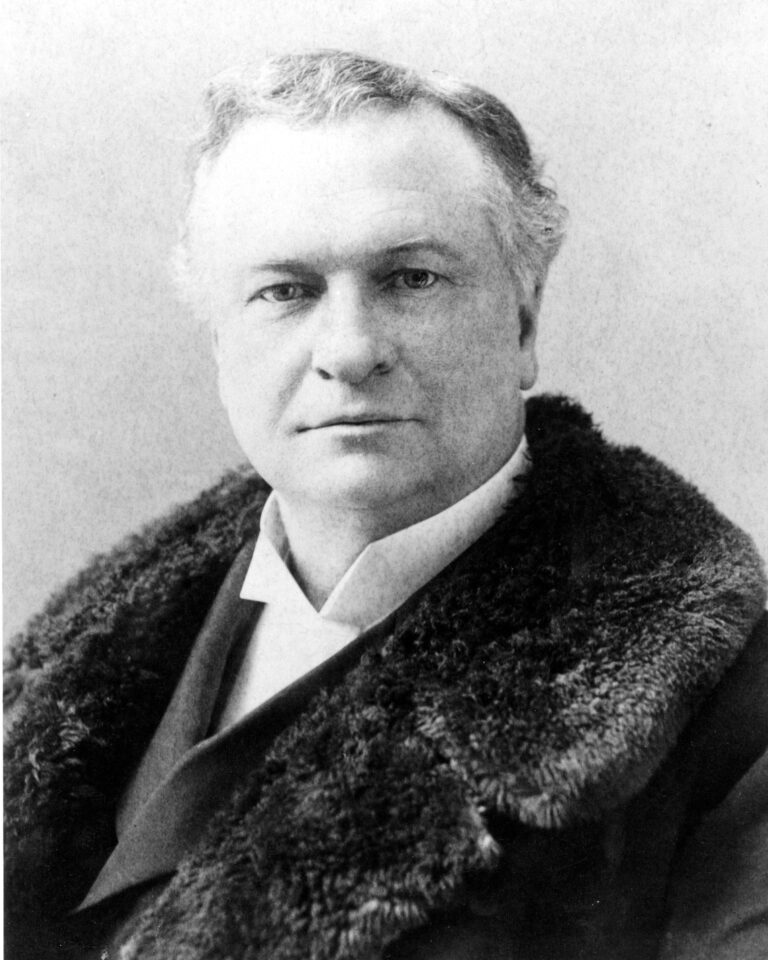
William (Bill) Gilligan, Interim President (2021-2023)
Dr. William (Bill) Gilligan, professor emeritus, returned to Emerson to serve as interim president after retiring from the position of vice president for information technology in 2020. He began his career at Emerson as an assistant professor in 1984.
Among his many achievements during his Emerson career, Dr. Gilligan facilitated the President’s Campus Task Force on Diversity in 2008, and worked closely with other senior administrators, architectural firm Elkus Manfredi, engineers, and technology vendors to design, build, and equip two professional-quality television studios in the Tufte Performance and Production Center. He also collaborated with technology vendors to design, build, and equip professional-quality journalism facilities.
Dr. Gilligan earned a bachelor’s degree in economics from Boston College, an MS in teaching from the University of New Hampshire, and an EdD in mathematics from Boston University. He was treasurer of the ECC-AAUP union chapter from 1985 to 1987, a member of the Faculty Council for many years, and chair of Faculty Assembly from 1992 to 1994. He was the Faculty Athletics Representative to the NCAA on multiple occasions (1991–1994, 2005–2007).
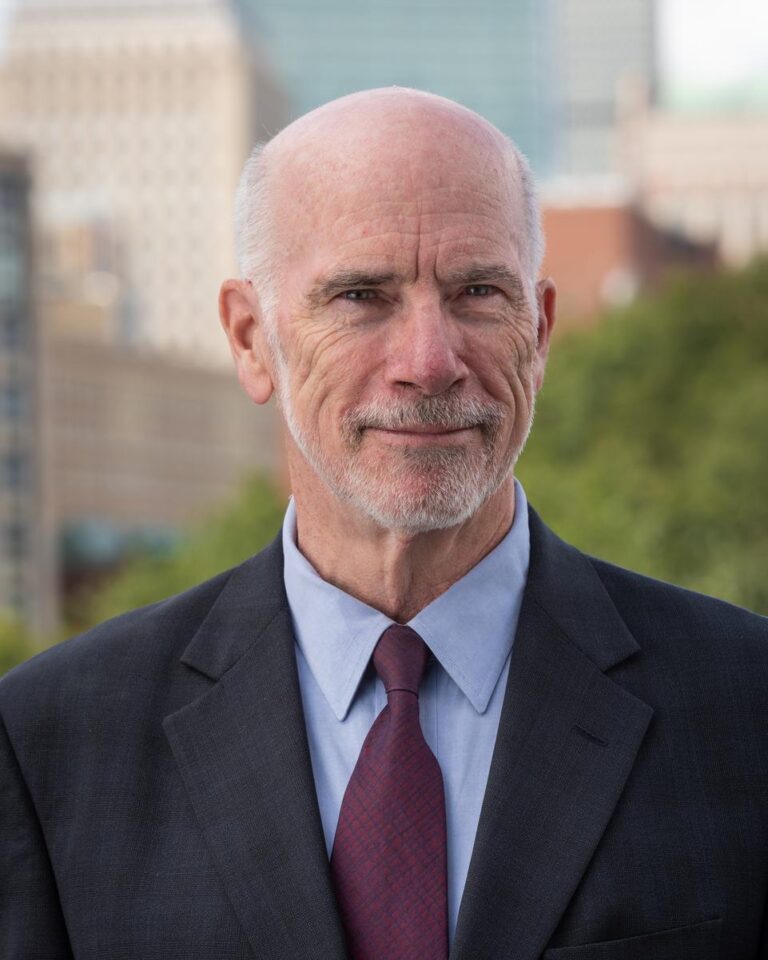
M. Lee Pelton, 12th President (2011-2021)
Under Dr. M. Lee Pelton’s leadership, Emerson expanded its academic footprint beyond its campuses in Boston, Los Angeles, and the Netherlands by establishing new global programs around the world.
Dr. Pelton also established an ambitious plan to strengthen Emerson’s sense of place and identity by animating the streetscape adjacent to the downtown Boston campus in order to inspire, embrace, and celebrate the city’s emerging diversity. Among the projects completed was historic renovation of the 13-story Little Building residence hall with ground-level retail spaces as the cornerstone.
He oversaw the creation of several academic initiatives, including the Business of Creative Enterprises major; the Global BFA in Film Art; the first-of-its-kind Comedic Arts BFA; the Office of Research and Creative Scholarship, the Office of Internationalization and Global Engagement, the Elma Lewis Center for Civic Engagement, Learning, and Research; and the Emerson College Los Angeles living and learning facility.
Dr. Pelton also spearheaded an alliance with Marlboro College in Vermont, finalized in 2020, which moved Marlboro’s self-directed academic program to Emerson.
Prior to joining Emerson, he served as president of Willamette University in Oregon for 13 years, and dean of the college at Colgate University and Dartmouth College. He holds a BA degree from Wichita State University and a PhD in English literature from Harvard University.
Following his Emerson tenure, Dr. Pelton became CEO and president of The Boston Foundation, one of the nation’s leading philanthropic organizations.
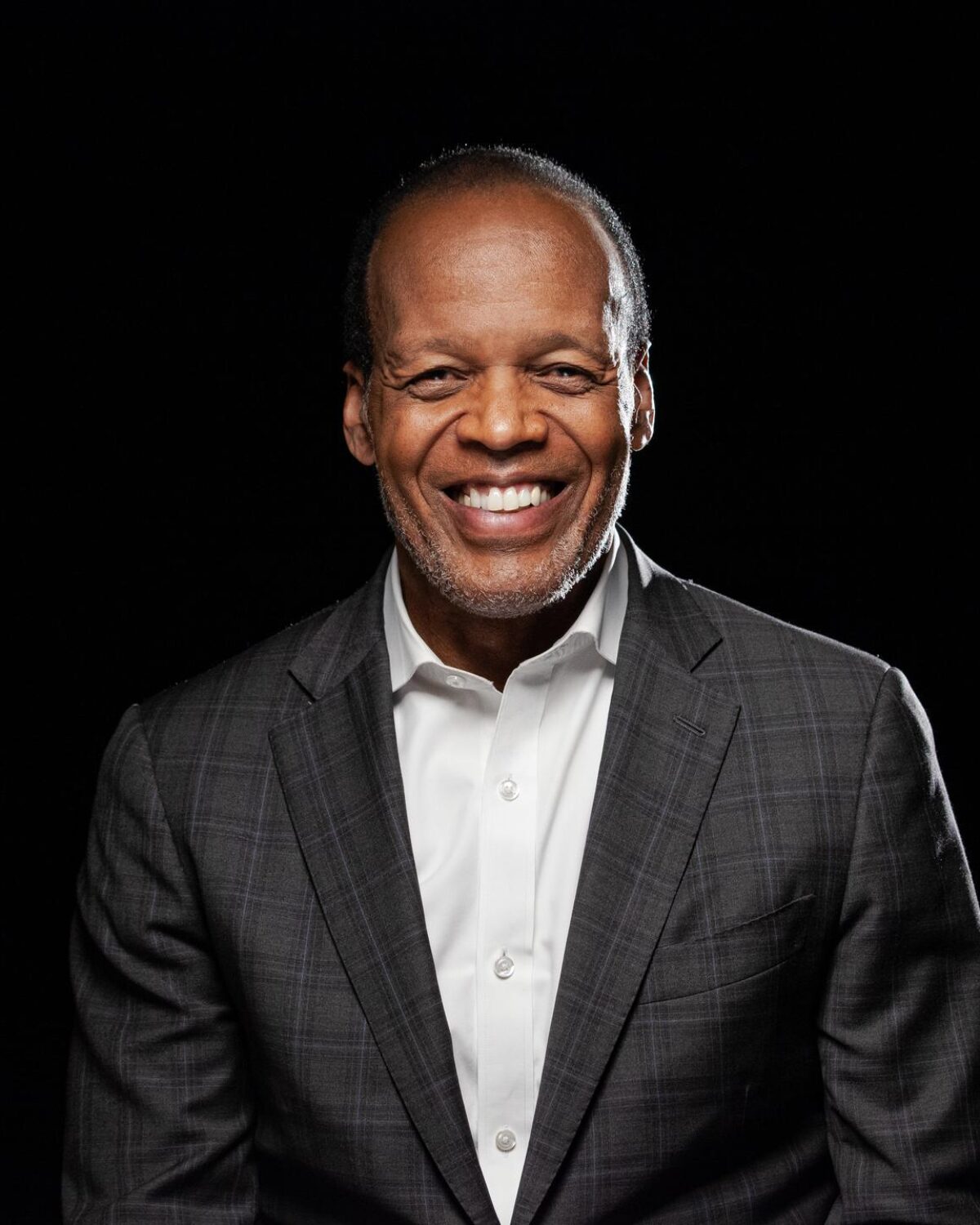
Jacqueline Weis Liebergott, 11th President (1992-2011)
Dr. Jacqueline Weis Liebergott came to Emerson in 1970 as an assistant professor of Communication Sciences and Disorders. In 1984, she was named dean of graduate studies, and shortly thereafter became a vice president and academic dean. She became acting president in 1992 after the death of President Zacharis, and was inaugurated in 1993.
During her tenure, Dr. Liebergott worked tirelessly to secure nine new buildings to create a new Boston campus. In 2008, the College purchased land in Los Angeles to build a new center, which would serve as a permanent base for Emerson’s Los Angeles program. Dr. Liebergott reorganized the academic departments and established a School of Arts (now called School of Arts and Interdisciplinary Studies, a School of Communication, and an Institute for Liberal Arts and Interdisciplinary Studies (now the Marlboro Institute). She doubled the size of the faculty and increased student enrollment, while also improving the College’s financial standing. During her tenure, the graduation rate increased by 28 percent.
In 2003, the College completed a full restoration of the Cutler Majestic Theatre and in 2010, reopened the Paramount Theatre as a live performance venue. The restoration of these two venues culminated in the creation of ArtsEmerson, which showcases first-class performances of theater, film, and music from all over the world. Dr. Liebergott revitalized the Athletics Department by building Emerson’s first gymnasium in the Piano Row residence hall in 2006, and partnering with the City of Boston to refurbish Rotch Playground.
She earned BA degrees from the University of Maryland, and MS and PhD degrees from the University of Pittsburgh.
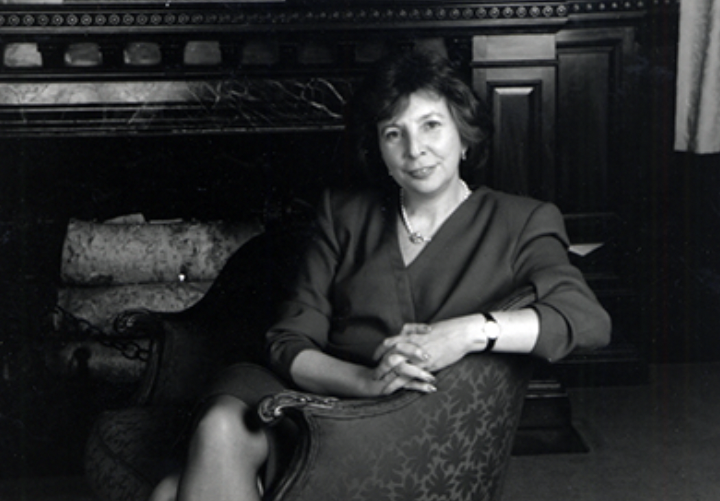
John Zacharis, 10th President (1989-1992)
After receiving a PhD from Indiana University, Dr. John Zacharis ’59, MSSp ’59 returned to Emerson to teach in the Speech Department. He later took on the roles of dean of academic affairs and senior vice president before assuming the Office of the President.
Dr. Zacharis worked to reunite the Emerson community following the failed bid to move the campus to Lawrence, Massachusetts. His plan included improving Emerson’s facilities by purchasing buildings that would be more appropriate for classrooms, studios, and offices than the Back Bay brownstones the College had been using.
He also made a commitment to academic depth by adding diverse academic programs and highly qualified staff and faculty. In addition to the improvements on the Boston campus, Zacharis opened the European Institute of International Communication in Maastricht, the Netherlands, in the fall of 1991. Dr. Zacharis was stricken with leukemia early in his presidency and died February 20, 1992.
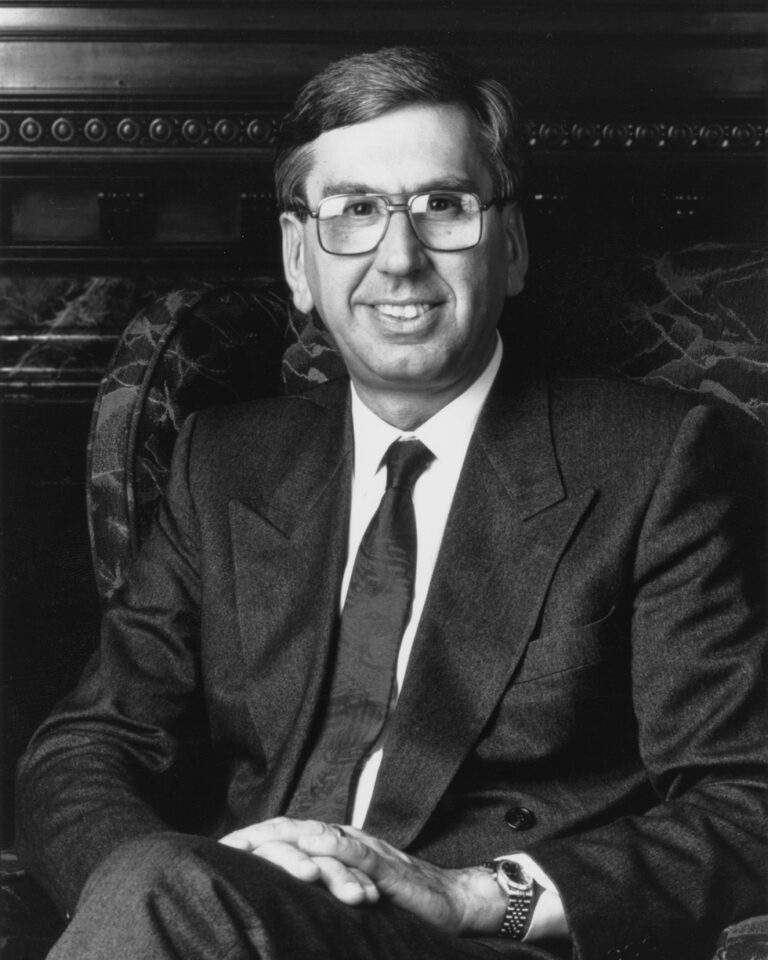
Allen Koenig, 9th President (1979-1989)
Dr. Allen Koenig came to Emerson from the University of Southern California’s Idyllwild campus, where he served as executive director. He turned an eye toward academic excellence by increasing the percentage of faculty with terminal degrees from 46 percent to 72 percent. In addition, the student body grew by 66 percent during his presidency.
Dr. Koenig continued to expand the Boston campus to meet the needs of faculty and students with the purchase of the Majestic Theatre in 1983, as well as several other buildings in the Back Bay. The Majestic Theatre was restored over a period of several years and in 1989, reopened as a live performance theater with the student musical George M! During his presidency, Dr. Koenig worked to secure land in Lawrence, Massachusetts, in a bid to build an entirely new and unified campus. However, by 1989, a move to Lawrence was deemed unfeasible, due to financial constraints and dissent from the Emerson community.
Despite the failed attempt to move Emerson out of Boston, Dr. Koenig was still able to expand the College’s reach. In 1985, a formal overseas program began in the Netherlands at Kasteel Well, purchased by Emerson in 1988. In 1986, Emerson began its Los Angeles program for students seeking internships and networking opportunities on the West Coast; the program continues to this day.
Dr. Koenig received a BA degree from the University of Southern California, an MA degree from Stanford University, and a PhD in speech communication from Northwestern University.
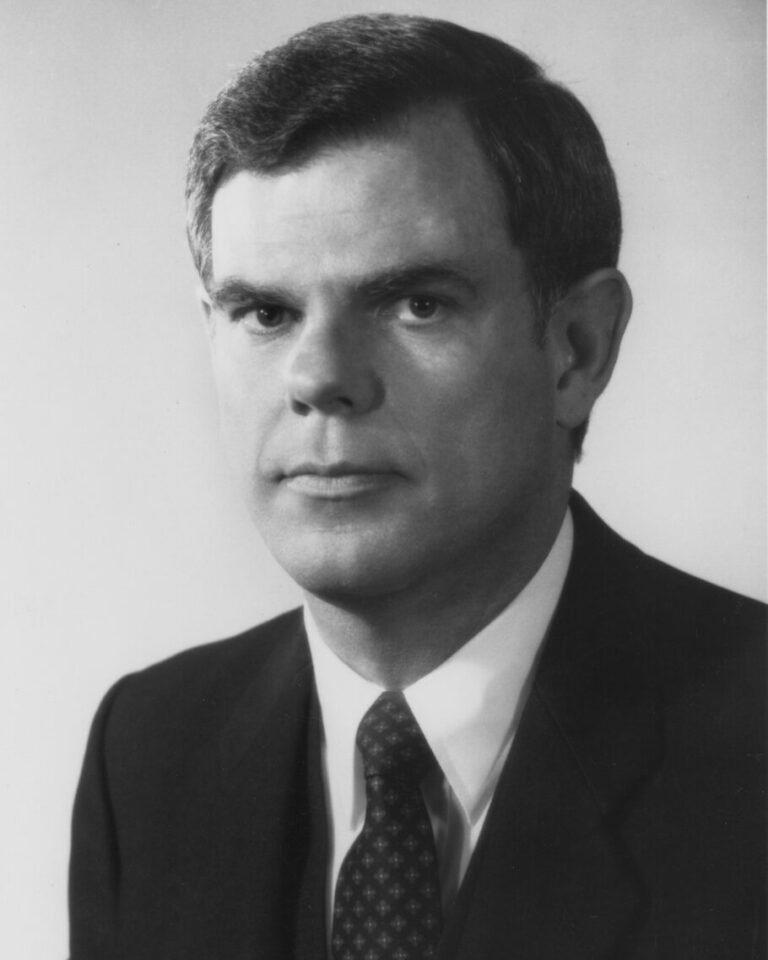
Gus Turbeville, 8th President (1975-1977)
Dr. Gus Turbeville came to Emerson in the fall of 1975 from Coker College in Hartsville, South Carolina. He consolidated various departments into divisions so they would operate more efficiently and effectively; the chairs of these divisions were elected by their departments, a first at Emerson.
Dr. Turbeville felt a genuine concern for his students and faculty, and was well liked by the students. He was able to connect with students on a daily basis because he lived on the 10th floor of the 100 Beacon Street dormitory and often dined in the student dining hall. Dr. Turbeville’s short presidency was marked by accomplishment, most notably bringing national visibility to the College through various public events that emphasized and increased its positive image.
He was a graduate of Vanderbilt University and earned an AM degree from Louisiana State University and a PhD in social psychology from Michigan State University.
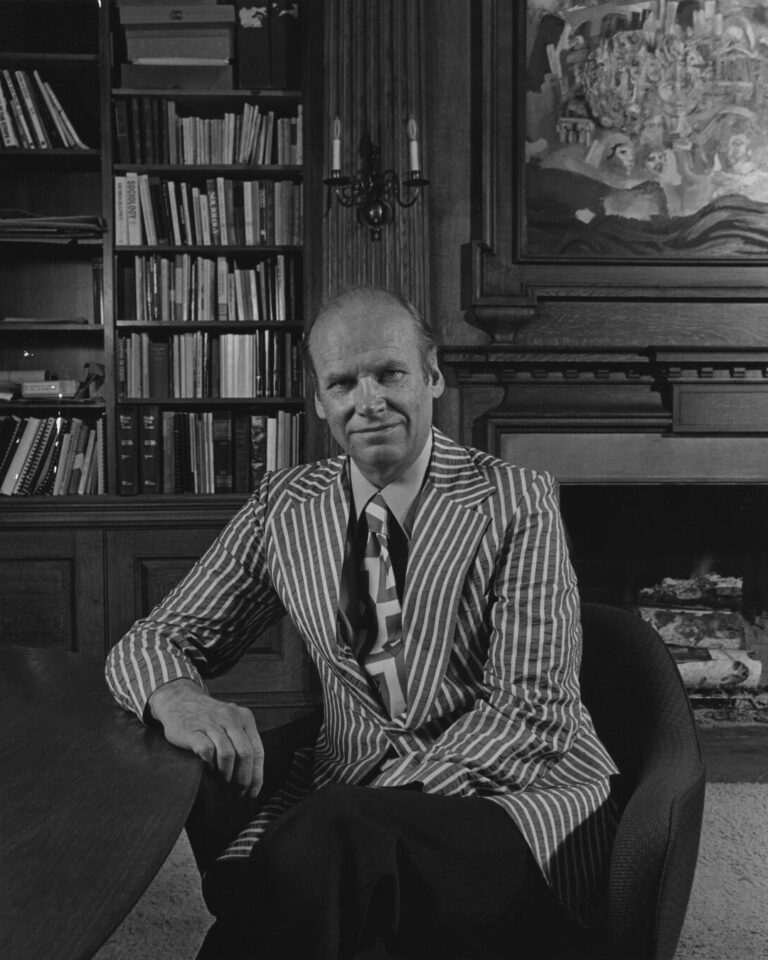
Richard Chapin, 7th President (1967-1975)
Richard Chapin served as assistant dean for educational planning at Harvard’s Graduate School of Business Administration before arriving at Emerson in the midst of a socially turbulent time. Despite social unrest on campus and around the world, Chapin was able to promote the College’s academic advancement, as well as continue the expansion of its campus and its finances.
Chapin addressed the problem of hiring and retaining faculty members with PhDs to continue the College’s accreditation by NEASC. To give the faculty a voice and provide a more democratic governance of the College, he approved the creation of a Faculty Assembly in 1969. He also helped enhance the College’s curriculum by reorganizing departments and revising the general requirements for an undergraduate degree. He was a graduate of Harvard College, and received an MBA from Harvard.
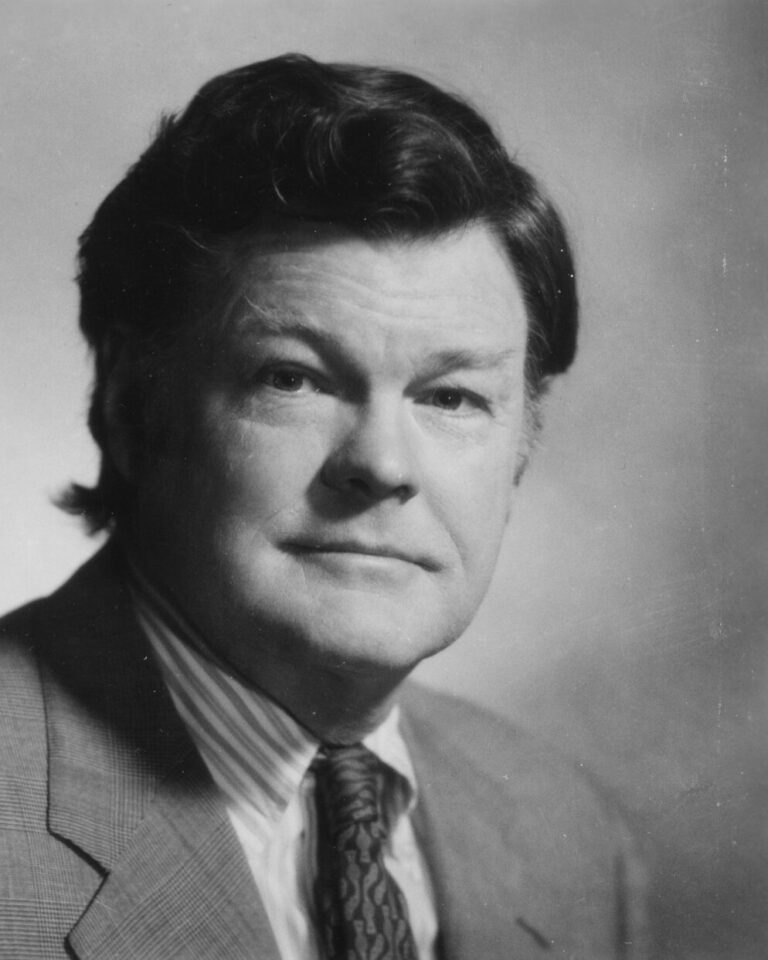
Samuel Justus McKinley, 6th President (1952-1967)
Dr. S. Justus McKinley was recruited by Emerson College in 1934 to head the History and Social Sciences Department. In 1946, he left Emerson for a professorship at Springfield College, citing differences of opinion with the administration of then-President Boylston Green. After a nearly three-year period of turmoil following Green’s resignation, which included two failed interim presidencies, Dr. McKinley was asked to return to Emerson to become its next president.
Dr. McKinley, who graduated from Franklin and Marshall College and earned AM and PhD degrees from Harvard, returned to Emerson at a time when the College was in financial crisis and on the brink of collapse. He created two new departments, Broadcasting and Speech Therapy, both outgrowths of the Speech Department. In 1953, the College created the Samuel D. Robbins Speech Clinic in honor of the Emerson faculty member who launched the Speech Department in 1935. That same year, the Broadcasting Department began offering courses in television production, and in 1954, the College built a state-of-the-art television studio.
He embarked on several successful fundraising campaigns throughout his term in office, which allowed the College to become financially stable and purchase several buildings. In 1965, Emerson acquired the Deertrees Theatre in Harrison, Maine, which served as a summer theater for Emerson students, as well as students from other institutions.
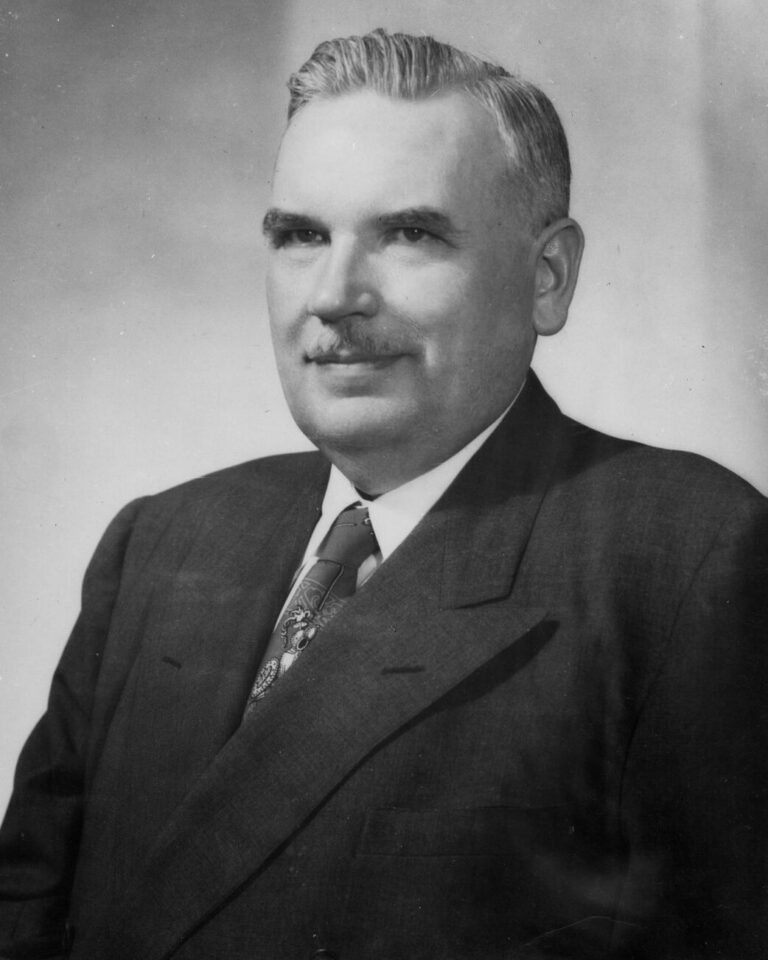
Boylston Green, 5th President (1946-1949)
Dr. Boylston Green came to Emerson College from Middlebury College in Vermont, and was the first president to have a doctoral degree. Dr. Green established a Student Activities Committee, which aided in the creation of the student newspaper, The Berkeley Beacon, and WECB, the first college radio station. Shortly after the creation of WECB, a new radio station, WERS, received the first educational broadcasting license on the East Coast in 1949. After three years as president, Dr. Green left Emerson to become vice chancellor of the University of the South. He received AB and AM degrees from the University of South Carolina and a PhD in English from Yale University.
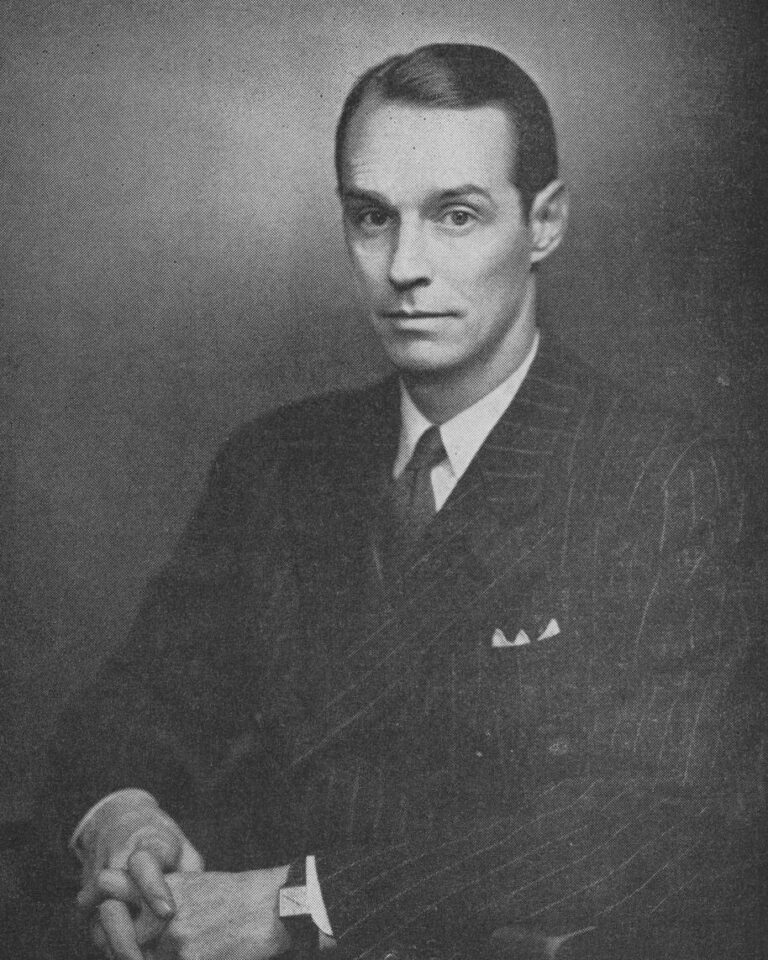
Harry Seymour Ross, 4th President (1932-1945)
In 1908, newly installed President Henry Lawrence Southwick appointed Harry Seymour Ross, an Emerson College of Oratory alum, academic dean at Emerson, and they spent the next 24 years working closely together. Immediately following the death of Southwick, Ross was elected acting president for the remainder of the 1932–33 academic year. Despite the Depression, Ross was able to purchase 130 Beacon Street for classroom and administrative offices, and the property became the flagship building of Emerson’s Back Bay campus.
With the decline of Chautauqua circuits, courses and degrees related to oratory fell out of favor. To keep the curriculum relevant, Ross expanded it beyond oratory and dramatic arts to include courses in radio broadcasting and speech pathology, while strengthening the liberal arts curriculum by adding history, modern languages, philosophy, and religion courses. In 1937, the College awarded its first Bachelor of Arts degree, and by 1939, “of Oratory” was dropped from the College’s name. Ross created the College’s first theater in the carriage house located behind 128 and 130 Beacon Street. He resigned in May 1945, citing age and poor health.
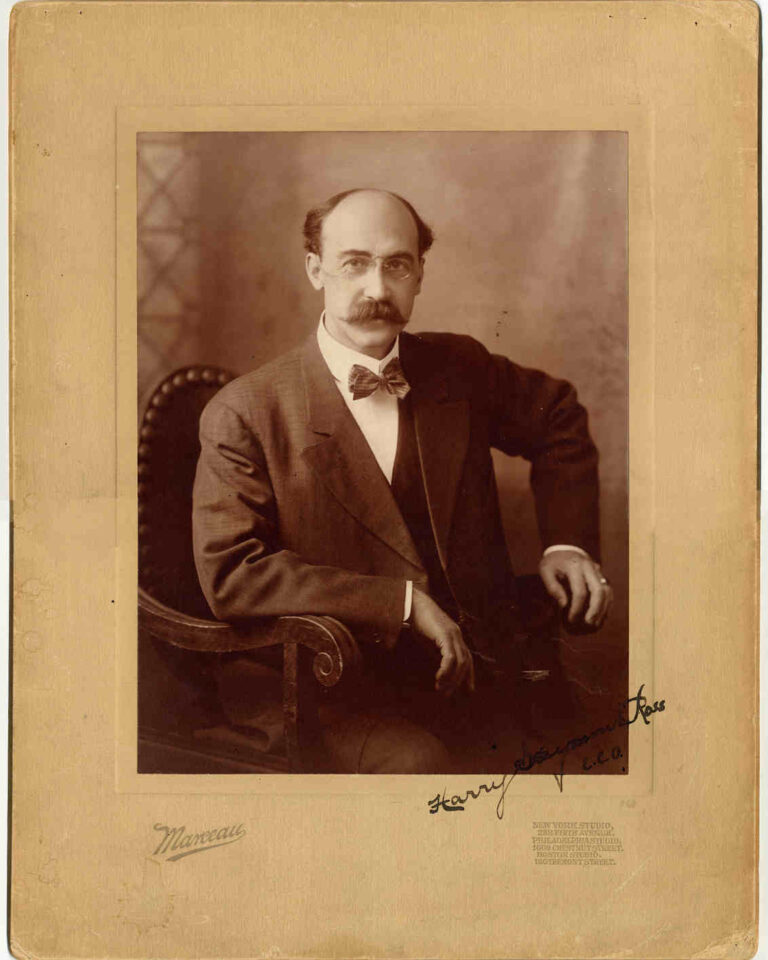
Henry Lawrence Southwick, 3rd President (1908-1932)
A student of Emerson’s founder and first president, Charles Wesley Emerson, from 1895 to 1897, Henry Lawrence Southwick was a pioneer in educational dramatics. He introduced drama into the curriculum, and created the Southwick Recital series, which still continues more than a hundred years later.
Southwick spent most of his tenure strengthening academic standards and setting the institution on firm financial ground. During his term, the school year increased from 28 weeks to 32 weeks, and the College became a four-year institution. Emerson also purchased its first building in 1928, the former Ericson Hotel, which became the Emerson College Residence and housed all the College’s female students. Southwick also established Emerson’s first endowment as a way to secure its financial future, and developed the first study abroad trips.
In 1932, Southwick became ill in Roanoke, Virginia, during his annual tour of the South. He returned to Boston, where he suffered a fatal heart attack shortly before Thanksgiving. Southwick served as president of Emerson for 24 years, and remains the longest-serving College president.
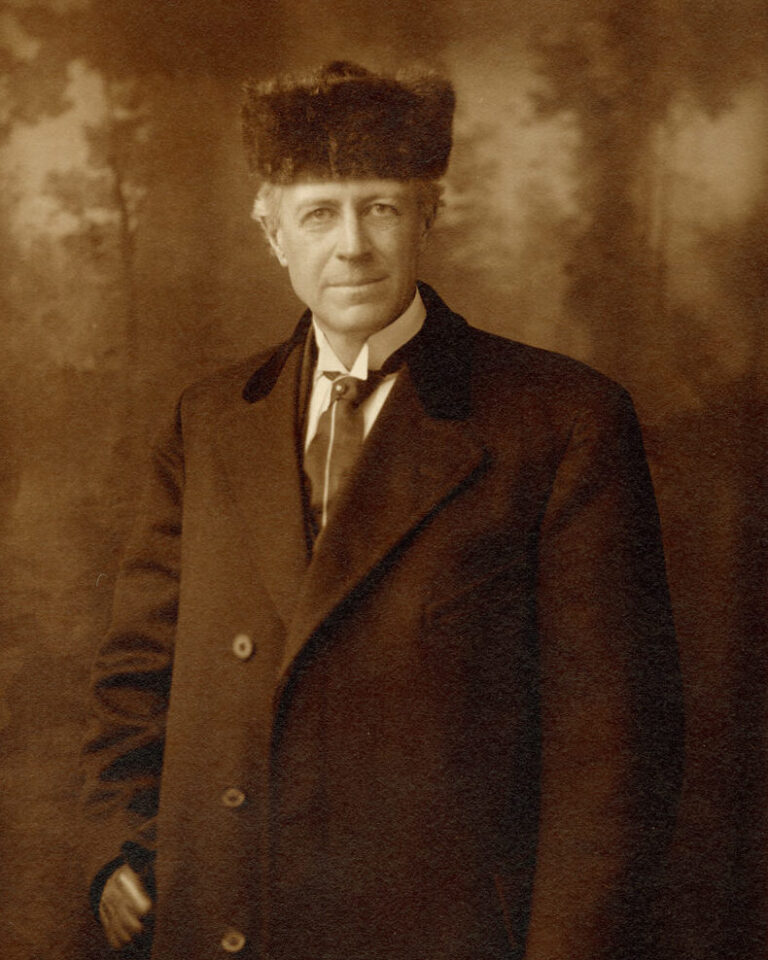
William James Rolfe, 2nd President (1903-1908)
William James Rolfe attended Amherst College and Kirkwood Academy in Maryland before becoming an instructor at Day’s Academy in Wrentham, Massachusetts. By the time Rolfe assumed the presidency of Emerson College in 1903, he was 75 years old and was an internationally famous scholar.
He worked mainly to advise the students and serve as a role model. According to Henry Lawrence Southwick, Rolfe was the “pioneer in introducing the study of English into the curriculum of American schools.” Rolfe’s greatest scholarly accomplishment was his work on the plays of William Shakespeare. In 1904, he published Shakespeare the Boy, a 550-page book on Shakespeare’s life.
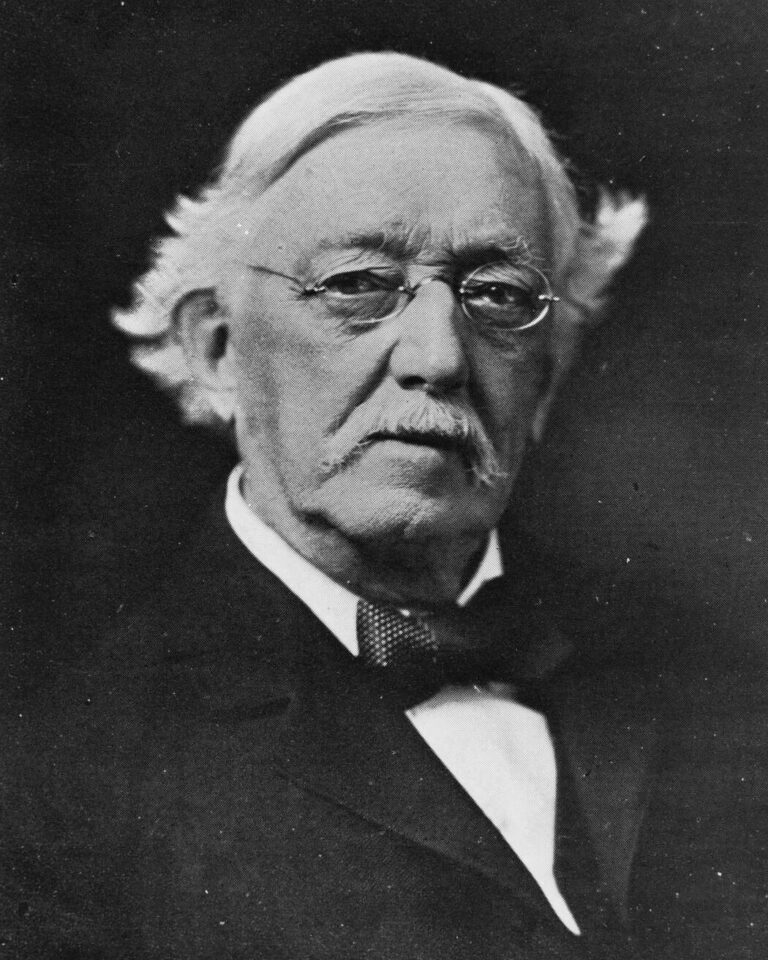
Charles Wesley Emerson, 1st President and Founder (1880-1903)
Charles Wesley Emerson was born in 1837 and raised in Vermont. He began preaching at age 19 at the Congregationalist Church in West Halifax, Vermont, and continued to preach at the Unitarian Church in Chelsea, Massachusetts, while attending the school of oratory at Boston University. Although he carried the title of “Dr.,” Emerson did not earn a doctoral degree, but earned several honorary degrees.
Emerson founded the Boston Conservatory of Elocution, Oratory, and Dramatic Art in 1880 with 10 students at 13 Pemberton Square. Emerson’s school opened one year after Boston University’s school of oratory closed, following the death of Lewis B. Monroe, Emerson’s mentor and former professor. The College’s curriculum was rooted in the theories and writings of Delsarte and Swedenborg, whom Emerson studied under Monroe.
In 1881, Emerson changed the name of the school to the Monroe Conservatory of Oratory; the school was later renamed the Emerson College of Oratory in 1891, after several students and alumni demanded the name be changed to honor its founder. By 1902, Dr. Emerson was in ill health and officially resigned his position as president of the College by the end of the year.