Mneesha Gellman
Professor of Political Science and Director, Emerson Prison Initiative, School of Arts and Interdisciplinary Studies
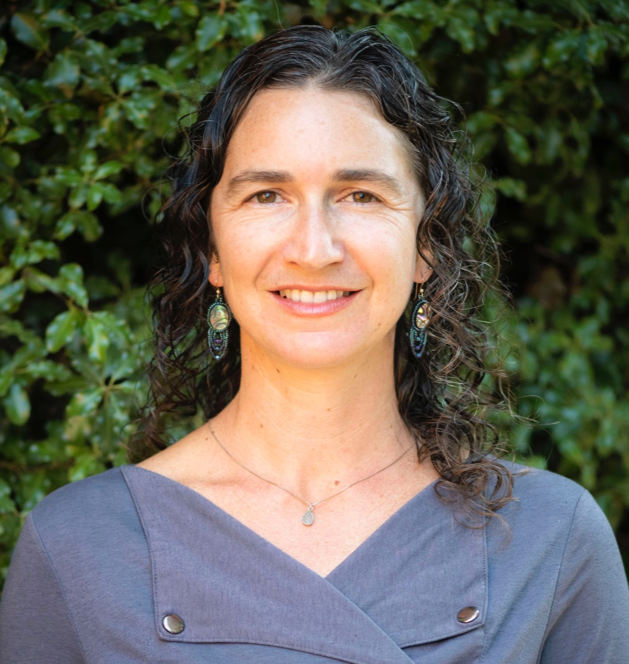
Dr. Mneesha Gellman is the author of many books, including Learning to Survive: Yurok Well-being in High School; Misrepresentation and Silence in United States History Textbooks: The Politics of Historical Oblivion; and Indigenous Language Politics in the Schoolroom: Cultural Survival in Mexico and the United States, which have included collaborative work with the Yurok Tribe of California; as well as Democratization and Memories of Violence: Ethnic Minority Social Movements in Mexico, Turkey, and El Salvador.
Through her work on collaborative methodology, she advocates for rethinking how and why research takes place, and for whom. She has written about democratization, democratic backsliding, and human rights in numerous articles for both academic and popular outlets.
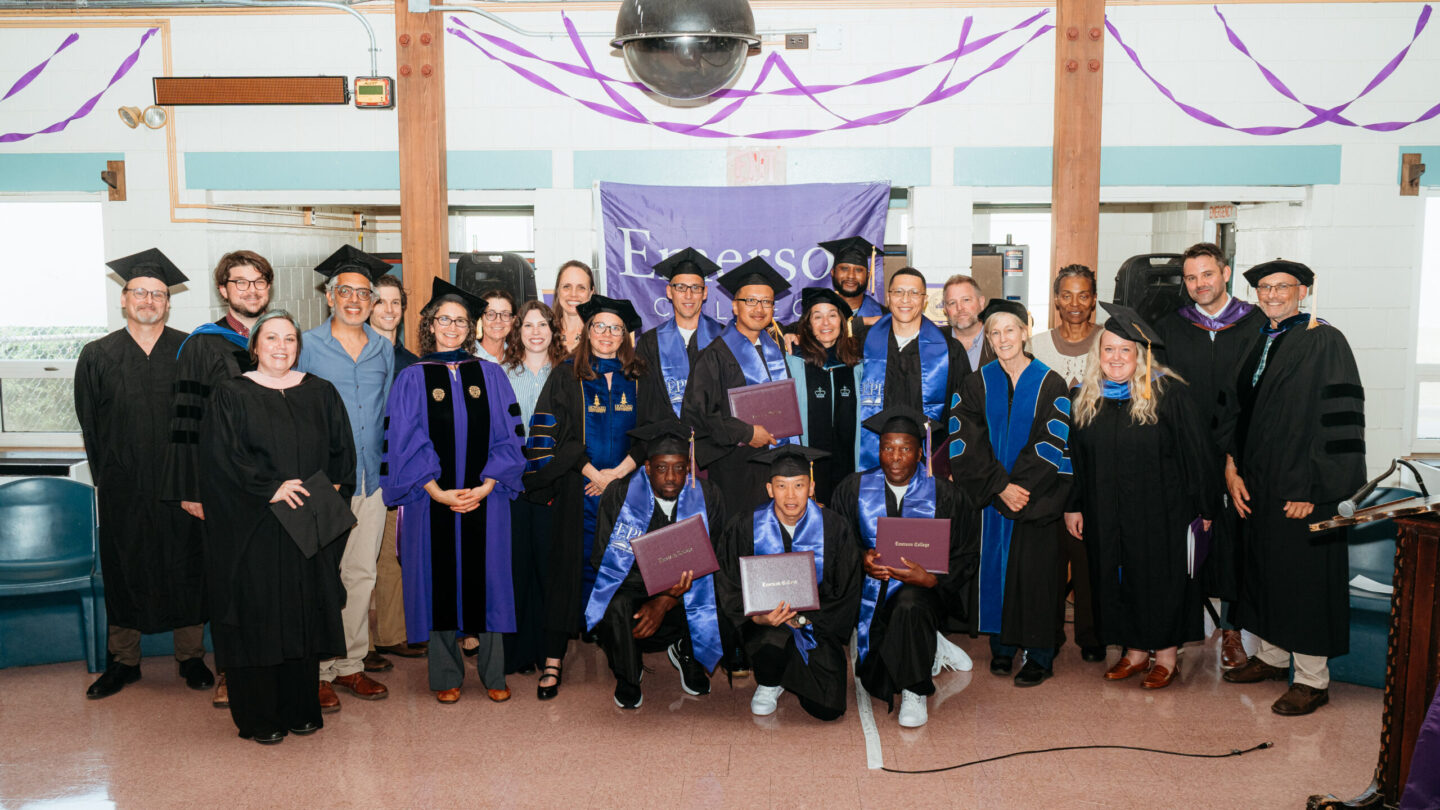
Dr. Gellman is the founder and director of the Emerson Prison Initiative, which brings a BA pathway to incarcerated students in Massachusetts. She edited Education Behind the Wall: Why and How We Teach College in Prison, and co-edited Unlocking Learning: International Perspectives on Education in Prison, and regularly comments about education and politics in the media. Based on more than 25 years of fieldwork in Latin America on issues of violence and human security, she also serves as an expert witness on country conditions in Mexico and El Salvador in U.S. immigration courts.
Dr. Gellman is past president of the Human Rights section of the American Political Science Association, and a past Fulbright García-Robles U.S. Scholar in Mexico.
Courses
- The US and Latin America
- Collective Action
- EPI-Emerson Prison Initiative
- Human Rights
Academic Work
- 2025, Learning to Survive: Yurok Well-being in School. Philadelphia: University of Pennsylvania Press
- 2024, Unlocking Learning: International Perspectives on Education in Prison, with McDevitt, J. (Eds.) Waltham, MA: Brandeis University Press
- 2024, Misrepresentation and Silence in United States History Textbooks: The Politics of Historical Oblivion. London: Springer Nature, Palgrave MacMillan
- 2023, Indigenous Language Politics in the Schoolroom: Cultural Survival in Mexico and United States. Philadelphia: University of Pennsylvania Press
- 2022, Education Behind the Wall: How and Why We Teach College in Prison. Waltham, MA: Brandeis University Press
- 2017, Democratization and Memories of Violence: Ethnic Minority Rights Movements in Mexico, Turkey, and El Salvador. New York & UK: Routledge
- 2025, “Hidden in Plain Sight: The In/Visibility of Human Rights in El Salvador’s Prisons Under the State of Exception,” with Bishop, S. Latin American Research Review. Online first view 7/4/25
- 2025, “State Inability to Protect: Expert Witnessing in Mexican Asylum Cases.” Latin American Perspectives. 52(2). 1-32
- 2025, “Public education and language rights: youth identity in the United States and Mexico.” Human Rights Education Review. Preprint published 1/13/25, 1-21
- 2023, “Speaking Up: The Politics of School Climate in the Trump Era and Afterward.” Humboldt Journal of Social Relations. 1(44), 28-40
- 2022,“Collaboration as Decolonization?” Qualitative and Multi-Method Research. 20(2), 8-13
- 2022, “El Salvador’s Democracy in Crisis.” Colombia University, Center for Mexico and Central America Studies, Expert Paper series
- E01515860, 2022, “Unsettling Settler Colonialism in Words and Land: A Case Study of Far Northern California.” International Journal of Critical Indigenous Studies. 15(1), 22-40.